Wildlife imaging techniques are able to create rich and easily auditable datasets on a variety of species groups.
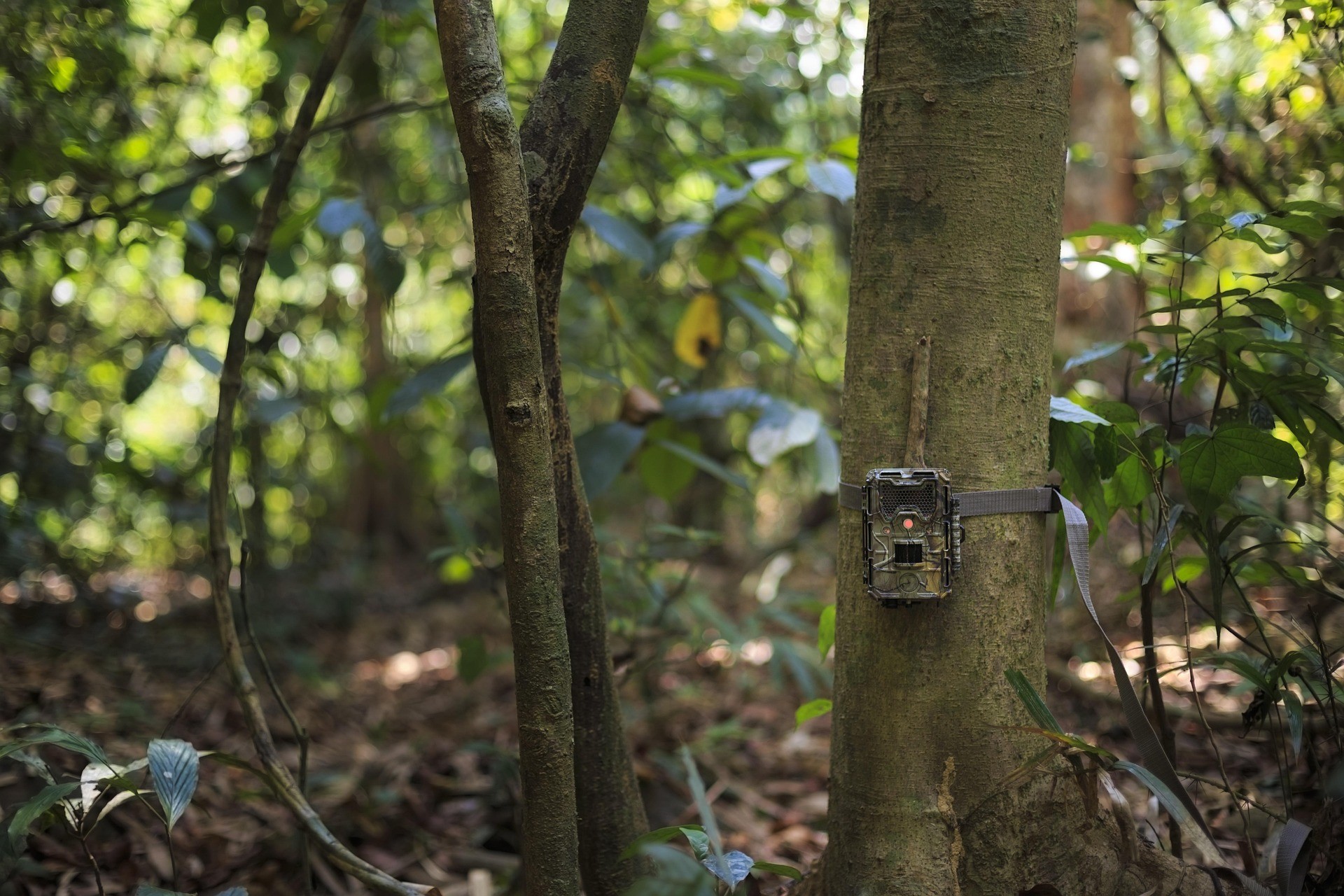
We use conventional camera traps as a simple, reliable data stream for monitoring large mammal species. These systems are highly scalable, enabling broad site coverage across diverse habitats, and can be deployed either by our field teams or by trained on-site staff. This makes them well suited for monitoring programmes where scalability and cost-efficiency are important.
For species groups that are more difficult to detect using standard camera traps, such as small terrestrial mammals or flying insects, we deploy specialised imaging systems 'traps'. These tools allow us to generate meaningful biodiversity insights for important but often under-represented species groups, helping to build a more complete picture of ecosystem health.
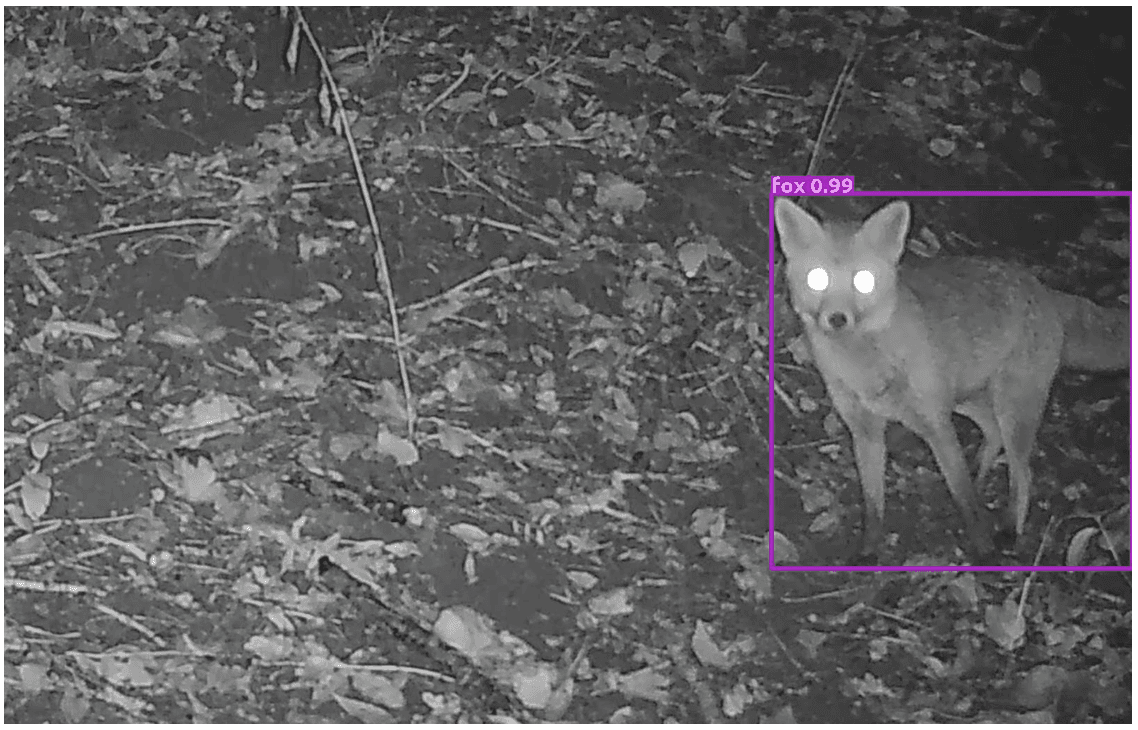
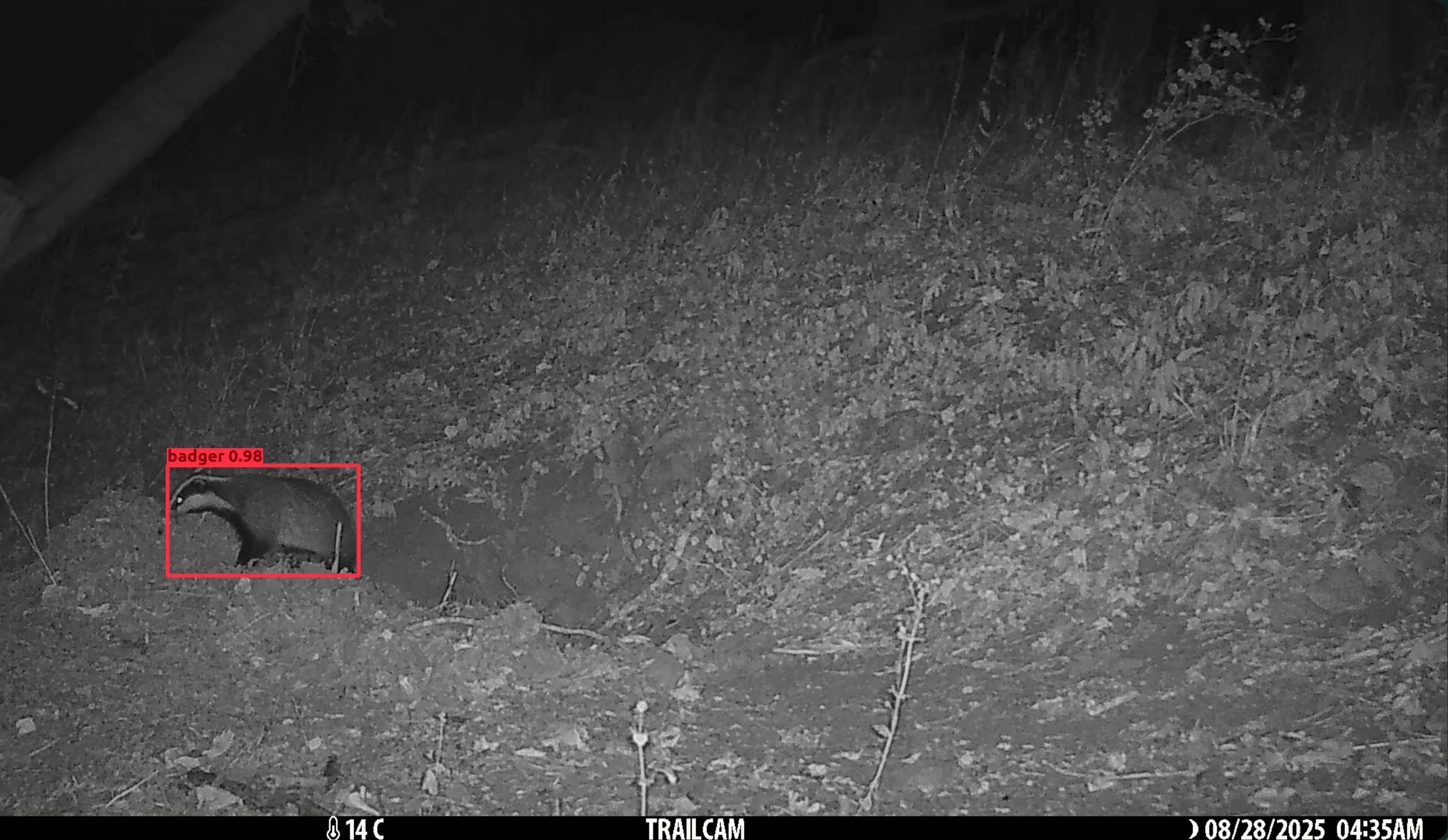
Our advanced AI workflows enable rapid processing and classification of large image datasets, significantly improving efficiency while maintaining high analytical standards. Crucially, this automation is paired with expert-in-the-loop verification at key stages of the workflow, ensuring that detections are quality-checked and that insights remain accurate, reliable, and scientifically robust.